
by John Gaspar and Anthony Luizzo
"The significance of forensic strategies in modern investigations is underscored by the limitations of relying solely on eyewitness evidence."
"The Art of Finding Evidence" from Working PI, Issue 6, explores the critical role of forensic and criminalistic strategies in modern investigations, emphasizing the limitations of relying solely on eyewitness accounts. The piece highlights the importance of scientific methods to ensure accurate and reliable evidence collection and analysis.
Forensic Strategies
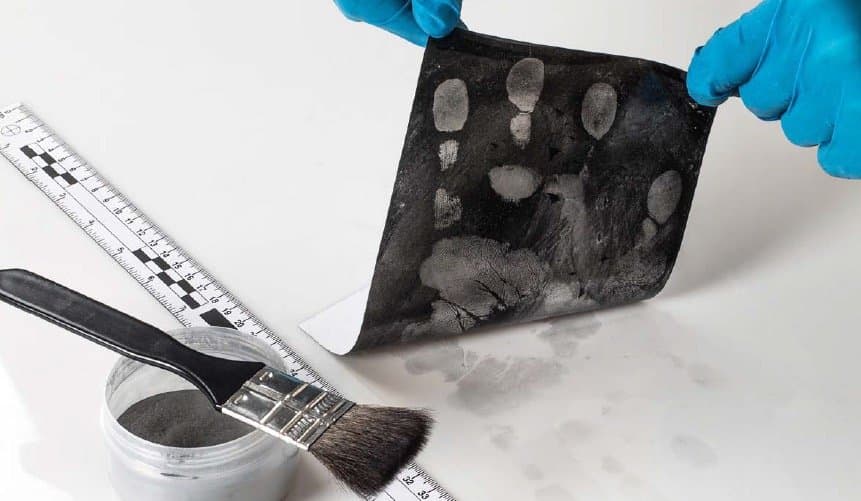
Techniques such as DNA analysis, fingerprint testing, and blood spatter analysis are essential for establishing facts in criminal investigations, addressing the shortcomings of eyewitness testimony.
Evidence Handling
Proper documentation of the chain of custody is crucial for maintaining the legal validity of evidence, with specific protocols like refrigeration for preserving biological samples.
Quality Control and Validation
Rigorous measures, including proficiency testing and adherence to standards, ensure the accuracy and reliability of forensic results.
Independent Verification and Peer Review
These processes are vital to confirm the integrity of forensic findings and methodologies.
Continuous Advancement
Staying updated with advancements in forensic science through ongoing research is necessary to enhance investigation accuracy.
Crime Scene Documentation
Comprehensive photographic documentation, including victim injuries, evidence placement, lighting conditions, and environmental factors, is critical for capturing the crime scene accurately and aiding investigations.
The article underscores the necessity of combining scientific rigor with thorough documentation to strengthen the reliability of evidence in criminal investigations.